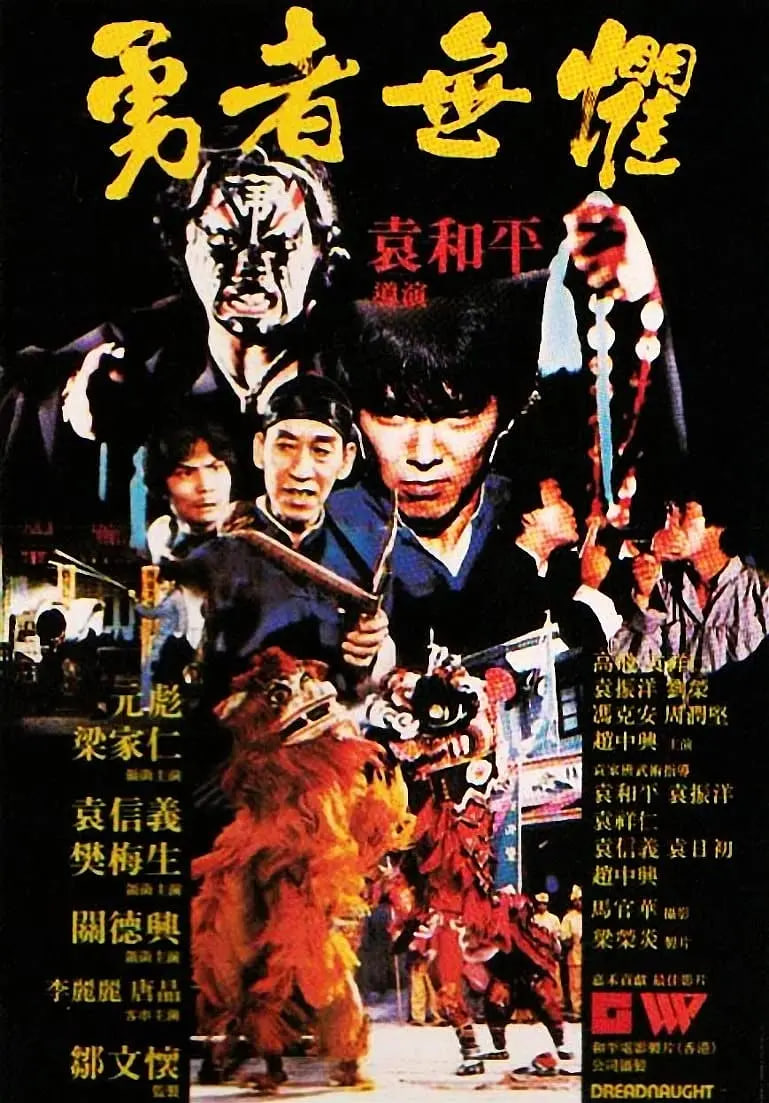
以趕屍為業的陳五(劉家榮)與徒弟范振元(汪禹)在一次行動中,因同時趕著九具屍體上路,顧此失彼下,走失了兩具殭屍;其中一具光頭殭屍(劉家輝)實非真殭屍,而是江湖漢子,因被奸人陷害而假扮殭屍以混人耳目。其間發生很多事故,光頭殭屍使出拳術退敵,原來陳五亦非常人…… 如果追溯香港功夫電影的源流,無論從哪方面講,劉家良都堪稱正宗!身為黃飛鴻第三代洪拳傳人,又是新派武俠電影開山之作《雲海玉弓緣》和《獨臂刀》的動作設計,還是由武術指導轉做導演的第一人,其輝煌和風格形成的時代都是在邵氏電影公司期間,《神打》、《洪熙官》、《少林三十六房》皆是影響潮流的經典之作,而《茅山殭屍拳》也成為「象形」功夫電影潮流中的佳作。
《什么叫做爱2》是一部以电爱为主题的喜剧片,讲述了受到刺激的女神与屌丝因一通陌生人电聊而展开了一段幽默,滑稽的相遇故事,刺激感官的台词和爆笑的故事将为观众带来不一样的电影风格。 这是一部带有心理色彩的电影。剧本来源一款电爱软件有喜剧性色彩的故事。整部影片故事框架环环相扣,这就要求演员的表演必须是到位的。这是一个很平民很小人物的人物所上演的闹剧,所以影片始终都要立足于现实生活土壤的人物关系和感情思考方式。但是又要超越真实的故事情节和比较强烈的戏剧化人物关系。 剧本中涉及到六个人物,其中两个是需要重要把握的人物。就是剧本中男一和女一。这两个人物刻画到位了,电影就成功了一半。那么片子出来之后就是有喜剧色彩并且还能让人很清楚的明白人物关系和事件原由并引发思考。
本影片讲述的是曹铁蛋和王铜锤一对发小的兄弟情义故事。在农场打工的曹铁蛋被开除后,决定到城里打拼。在他找工作无望时,恰巧遇到了儿时的玩伴王铜锤,就跟着他一起到工地抡大锤赚钱维生。曹铁蛋为了给母亲看病,想找农场老板陈大黑要回欠他的工钱,王铜锤决定帮铁蛋要钱。在讨薪的过程中,阴差阳错的遇上了另一伙以胡哥为首、想绑架陈大黑夫妇的犯罪团伙,遂展开了这场善与恶、黑与白的角力,最终两兄弟协助公安抓获了绑架团伙,并破获了八年前的杀人要案。曹铁蛋也与农场主陈大黑冰释前嫌,王铜锤也与农场主妹妹产生感情,最后在一片喜悦中落幕。
身负巨债的动物饲养员袁帅(冯绍峰 饰),为了还清百万巨债,他四处与富家女相亲,却误打误撞爱上来人间报恩的狐妖白纤楚(刘亦菲 饰)。妖怪管理局局长云中鹤为阻止人妖相恋,派魔都小分队洪思聪队长捉拿违规狐妖白纤楚,袁帅为了寻回爱人狐妖,勇闯妖界……
托尼·西里科(《黑道家族》《摩天轮》)、文森特·帕斯托(《黑道家族》《转轮手枪》)、约瑟夫·多诺费奥(《布朗克斯的故事》《好家伙》)、邢思杰(《白蛇传说》《非常幸运》)将主演新片《唐人街制造》(Made in Chinatown),Mark V Wiley编写剧本,Art Camacho和Robert Samuels联合执导,下月在纽约和费城开拍。讲述一个在纽约唐人街长大的男子Vinny Chow渴望成为一名硬汉,加入意大利黑帮。邢思杰饰演Chow,西里科饰演黑帮老大,多诺费奥饰演曼哈顿小意大利区的面包师Donny,心地善良但也多嘴。
Sam (Matthew Broderick) is the reasonable man in a crazy urban world, the man of thoughtfulness and refined taste in a landscape of Leroy Neiman paintings and beer commercials. The guy would sooner cook for an hour over a hot stove than say `supersize it.' By day he's a store clerk in an upscale gourmet eatery, and these scenes raise a smile, especially for anyone who's visited the actual chain in New York City -- the portrayal isn't far off from the reality. Our man is besieged by hoards of customers who want their imported French cheese cut to impossibly exact standards. His efforts to remain outwardly polite (while you know he'd like to take the cleaver to the relentless clientele) are pretty funny, and will warm the hearts of clerks everywhere. In general, Broderick is in good form and provides the movie with most of whatever lightness it possesses. Sciorra's lovelorn dental hygienist, Ellen, is fine enough, too, and her unknowing interaction with our cheese-slicing hero shows some hopeful chemistry, and you may begin to feel you want to see these two get together. One of the main competitors for our lady's affections, a stockbroker (Kevin Anderson), is played as caricature: he's the beer swilling frat-boy whose idea of after-sex sensitivity is flipping on the football game. He's kind of funny at times, but the movie might be stronger if he was written or acted for us to like him more, instead of having us merely recognize him as the flat-out `wrong' guy in comparison to Broderick's sensitive man. Think of John Candy in Splash, taking a cigarette and beer can to the racquetball game; we know his lifestyle is not the one our hero should emulate, but we can't help but be charmed by the likeable goon. Whereas this character is merely a goon, and pretty unlikable all around. While it's a nice enough light movie for the first half, for me the story was somewhat derailed by its unbelievable (Hollywood) presentation of sex and adultery. (SPOILER AHEAD, skip to next paragraph.) When Ellen returns home after an evening's misadventures, she is naturally faced with the questioning husband (Michael Mantell). Quickly admitting her own indiscretion, she then immediately turns the situation around, demanding to know why the guy had gone ahead and bought a house without discussing it. Granted, it's a valid issue, and granted, many people use this countering maneuver in arguments. What's unbelievable is what happens next: the guy starts responding to her question, addressing the house-issue in a quiet, thoughtful manner. WHOA. You'd be hard pressed to find a married person in the world who, when faced with his/her partner's totally unexpected adultery, would be ready to address anything so calmly. The guy would surely be bouncing off the walls, or else crushed into silence and tears - but see, then we might actually feel for the poor schnook, and we'd see Sciorra's character in a poor light. And since that particular audience reaction doesn't serve the romantic comedy, the story tries to sneak around it. You may start to feel that, like the husband, you're being taken. Further dissatisfaction is just around the corner in the ending. We realize this is where misunderstandings will get sorted out, and our couple will finally see a clear path to one another. We want the satisfaction of rooting for them. But it's marred by another unbelievable character reaction, followed by an abrupt conclusion that feels rushed and forced, too easy and unearned. You may feel as though the movie's cheating on you again...